Imagine Being Free and Not Knowing It
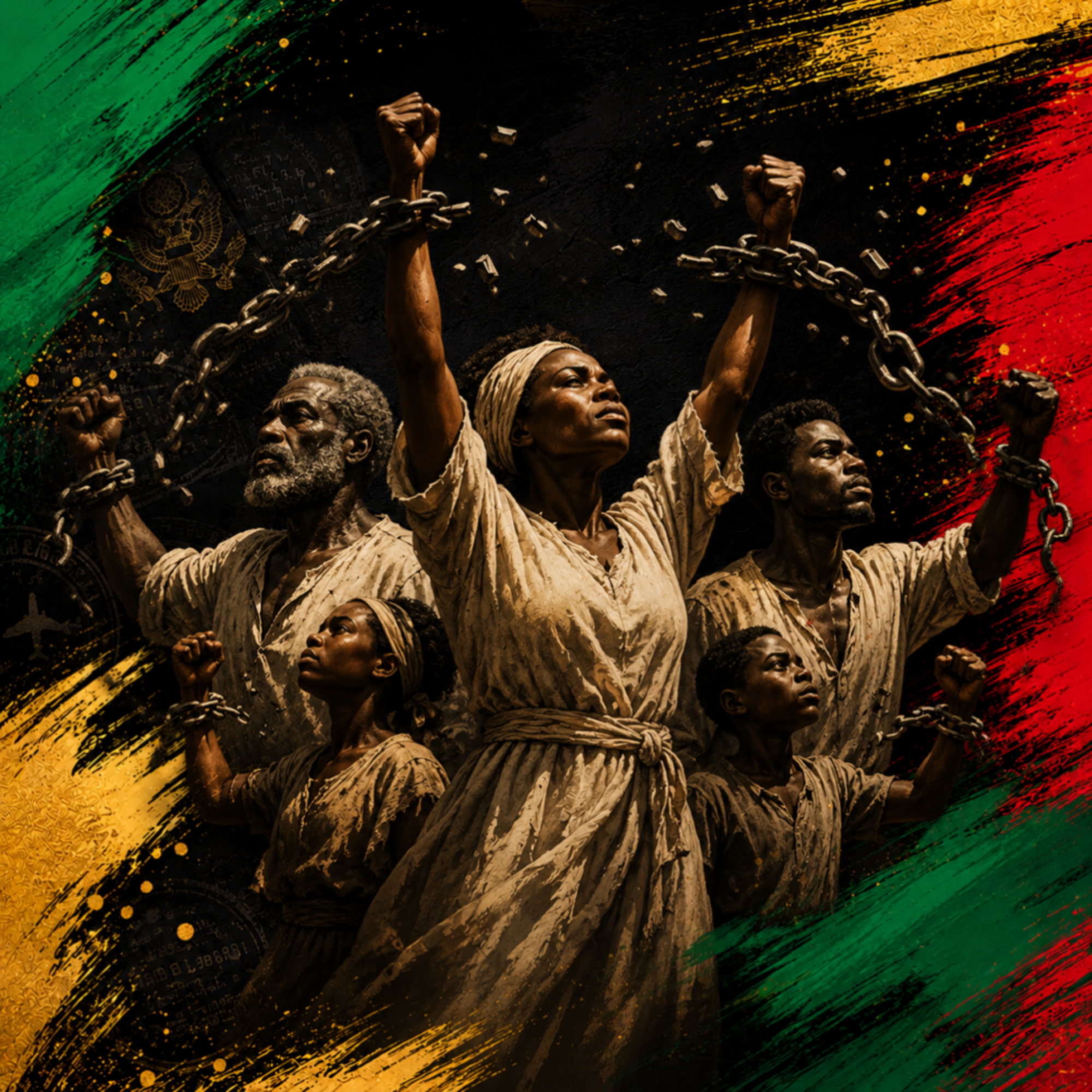
Imagine Being Free and Not Knowing It
Think about that for a second.
Imagine somebody changing your life forever, but nobody bothering to tell you.
Imagine freedom being yours, but the news never reaching you.
That’s exactly why Juneteenth matters.
While many people know that slavery officially ended with the Emancipation Proclamation in 1863, what they don’t always know is that not everyone got the message. In Texas, thousands of enslaved people continued living in bondage for more than two years after they had legally been declared free.
Two years.
Two years of stolen time.
Two years of stolen opportunities.
Two years of living under a reality that should have already ended.
It wasn’t until June 19, 1865, when Union troops arrived in Galveston, Texas, that the news finally reached those who had been waiting without even knowing they were waiting.
That’s the day we now celebrate as Juneteenth.
For Black Americans, Juneteenth isn’t just about history. It’s about resilience. It’s about honoring those who endured unimaginable hardship while never losing hope. It’s about celebrating a people who found ways to create joy, community, culture, and excellence despite generations of obstacles.
Juneteenth reminds us that freedom is precious. It reminds us that progress matters. And it reminds us that our stories deserve to be told.
So today, we celebrate.
We celebrate the strength of our ancestors.
We celebrate how far we’ve come.
And we celebrate the freedom they fought to make possible.
Happy Juneteenth.